Showing posts with label Health. Show all posts

Thursday, 5 October 2017

Over half of new cancer drugs 'show no benefits' for survival or wellbeing

Over half of new cancer drugs 'show no benefits' for survival or wellbeing


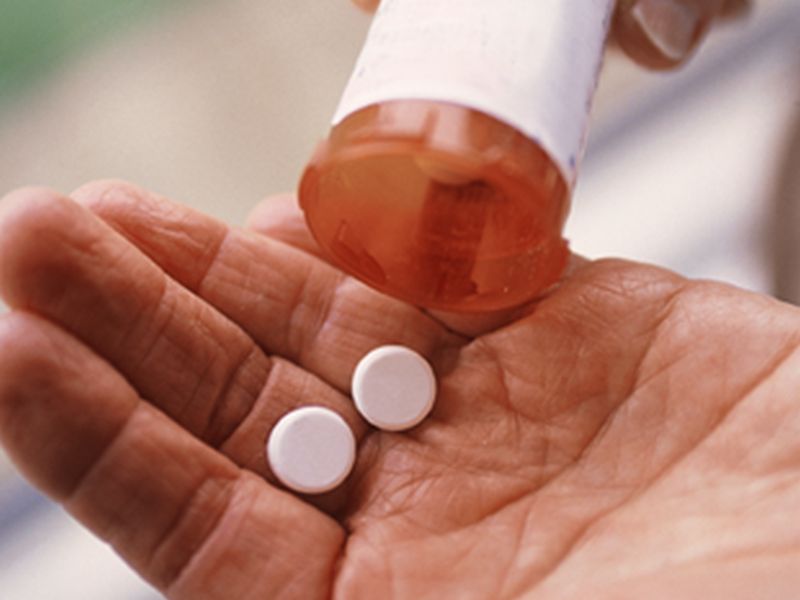
Most cancer drugs that have recently arrived on the market have come with little evidence that they boost the survival or well being of patients, research reveals.

Forty-eight cancer drugs were approved by the European Medicines Agency between 2009 and 2013 for use as treatments in 68 different situations.

But the study, which looked at the clinical trials associated with the drugs, reveals that at the time the therapies became available there was no conclusive evidence that they improved survival in almost two-thirds of the situations for which they were approved.

In only 10% of the uses did the drugs improve quality of life. Overall 57% of uses showed no benefits for either survival or quality of life.



The newspapers love a cancer research story, but many are misleading or won’t affect patients for many years. But there is plenty of progress worth reporting

The team then looked to see whether the picture improved over time.

Huseyin Naci, assistant professor of health policy at the London School of Economics, and a co-author of the study, published in the British Medical Journal, said: “We wanted to see once [the drugs] were already on the market did they actually generate some evidence to show that they improved or extended life?”

The team found that after a follow-up period of between three to eight years, 49% of approved uses were linked to no clear sign of improvement in survival or quality of life. Where survival benefits were shown, the team said these were clinically meaningless in almost half of the cases.

“What we find very surprising is that not very many studies are looking at overall survival or quality of life as their [primary] objective,” said Naci. He said that instead most of the studies examined indirect measures, such as x-rays or laboratory tests that were assumed to offer clues as to a drug’s survival benefits.


A new study shows that some cancers hold within them the seeds of their own destruction, which could allow therapies using patients’ own immune systems

He added: “Unfortunately the expectation is that once the drugs are on the market then companies will be investing in [longer term] trials to then demonstrate overall survival benefits. But unfortunately these trials are not necessarily taken up and conducted.”

Naci said the findings did not mean patients should worry. “I think it is very important that no one is alarmed,” he said.

Carl Heneghan, professor of evidence-based medicine at University of Oxford, described the lack of drug improvement with regard to survival as disappointing, and called for a more rigorous approach to evaluating cancer drugs. “It is hard to understand why half the drugs were approved in the first place if they provide no clinically meaningful benefit,” he said.


But Winette van der Graaf, professor of personalised oncology at the Institute of Cancer Research, said that making decisions based on smaller studies looking at benefits other than overall survival, were important in making sure new treatments were swiftly made available to patients.

“In my area of research [on] rare cancers the level of evidence called for here is very hard to obtain, meaning that these patients would find it extremely difficult to gain access to new treatments,” she said, adding that large trials looking directly at survival could be expensive and lengthy.

“Ideally, studies should try also measuring early markers of treatment failure, so that health authorities can make well-balanced decisions.”

Emma Greenwood, Cancer Research UK’s director of policy, warned that the study did not necessarily reflect the situation in the UK where Nice (the National Institute for Health and Care Excellence) played an important role in deciding which drugs were available to patients.

“The study does highlight the importance of using real-world evidence from patients, on top of data from clinical trials, to build our understanding of how drugs work in a real-life setting. We’re already starting to see this happen through the cancer drugs fund in England, where patients can access promising new drugs while more data is collected on their effectiveness.” 
 
Nicola Davis theguardian.com  
https://www.theguardian.com/business/2017/oct/05/over-half-of-new-cancer-drugs-show-no-benefits-for-survival-or-wellbeing

Tuesday, 25 October 2016

Is Your Medication Raising Your Cholesterol?

Is Your Medication Raising Your Cholesterol?

Taking certain medications may result in some unhealthy side effects. Several drugs, including those for your heart, are thought to actually raise cholesterol levels.
By Diana Rodriguez
Medically Reviewed by Pat F. Bass, III, MD, MPH

More than 102 million Americans have high cholesterol, according to the U.S. Centers for Disease Control and Prevention (CDC), a condition that raises the risk of heart disease to a high level in one-third of the people who have it. Although high cholesterol levels are often due to genetics and an unhealthy diet, lesser-known factors can also raise your cholesterol — including the medications that you take for other conditions.

Side effects of medications are quite common, and often they’re minor, but side effects like an increase in your cholesterol level can be serious. To counter medication-related high cholesterol, your doctor can prescribe an alternative medication to treat the original condition, or add a cholesterol-lowering medication to your treatment regimen.

High Cholesterol: When Medication Is the Culprit

Why certain drugs raise cholesterol levels as a side effect isn't exactly understood. Most of the time, cholesterol level elevation is pretty minimal. But any increase in cholesterol is still a concern, especially for people with risk factors for heart disease, or for those who already have high cholesterol or are taking cholesterol-lowering medication.

The following types of drugs, used to treat a variety of health conditions, may raise cholesterol levels:
 

Steroids. These drugs, sometimes prescribed for allergies and asthma as well as other conditions, have been known to be associated with modest elevations in triglyceride and total cholesterol levels, says Stanley L. Hazen, MD, PhD, director for the Center for the Cardiovascular Diagnostics and Prevention at the Cleveland Clinic, but it's not clear why. "More often, insulin resistance is observed, helping to cause mild TG [triglyceride] elevation and HDL cholesterol reduction," says Dr. Hazen.
Progestin. This hormone, used in birth control pills, is known to raise “bad” LDL cholesterol and lower “good” HDL cholesterol for reasons that aren't understood, but it doesn't seem to have much effect on increasing a person's risk for cardiovascular disease.


Retinoids. These drugs, often used to treat skin problems like acne, can cause slightly elevated cholesterol levels. They contain vitamin A, known to cause problems with the liver, which produces cholesterol.


Beta blockers. While beta blockers generally do not increase cholesterol levels in most people, they can cause what's known as secondary hyperlipidemia (increased blood fats) in a very small number of individuals, says Hazen. 


More often, beta blockers that are used to treat high blood pressure — another risk factor for heart disease — actually raise triglyceride levels (another blood fat). Why beta blockers can raise triglyceride levels in some people isn't understood, and it occurs pretty rarely, according to Hazen.


Diuretics. These drugs are also commonly prescribed to treat high blood pressure. "Only hydrochlorothiazide is associated with potential for secondary hyperlipidemia," says Hazen, and this is also rare. Again, these drugs most often cause elevated triglyceride levels rather than higher total cholesterol, and for unknown reasons.

High Cholesterol: Other Medication Choices

Especially for people taking diuretics or beta blockers to control high blood pressure and reduce heart disease risk, alternative treatments that don't raise cholesterol levels should be found. "It's something we've known for a long time about beta blockers and diuretics,” says Stephen J. Nicholls, MBBS, PhD, clinical director of the Cleveland Clinic Center for Cardiovascular Diagnostics and Prevention.

Patients with high cholesterol and high blood pressure levels would not typically be started on beta blockers or diuretics as the first treatment of choice, says Dr. Nicholls. Instead, a physician might prescribe an ACE (angiotensin-converting enzyme) inhibitor or calcium-channel blocker to treat high blood pressure without raising cholesterol.

If you already have high cholesterol, make sure that all of your doctors know about it, and let them know about any other medications you are already taking before they prescribe a new medication. If you're concerned about developing high cholesterol and your doctor wants to prescribe one of these medications, talk to him about other alternatives to treat your condition. 


6 Medications That Can Cause High Triglycerides
https://healthguides.healthgrades.com/article/6-medications-that-can-cause-high-triglycerides


Though they don’t factor in to your total cholesterol level, blood fats called triglycerides still have an impact on your health. Extremely high triglycerides—500 mg/dL or higher—can put you at risk for pancreatitis. This inflammation of the pancreas gland can cause stomach pain, digestive problems, and, eventually, diabetes.

Almost one-third of American adults have high triglycerides. Obesity, family history, excess alcohol consumption, and a sedentary lifestyle often play a role. But certain medications for other health conditions also can influence your triglyceride level. If you take one of these drugs, ask your health care provider how often you should have a lipid panel. This measures your triglycerides and your cholesterol. Always talk with your health care provider before stopping or starting any medication. 


1. Blood pressure medicines
High blood pressure also increases your risk for heart disease. If you can’t control your numbers through lifestyle changes, your health care provider may recommend treatment with medications called thiazide diuretics (commonly called “water pills”) or beta-blockers.
 

2. Corticosteroids

The term may bring to mind athletes and performance-enhancing supplements. But these strong drugs aren’t the same as body-builders’ steroids. In fact, they bear a greater similarity to hormones produced by your body’s adrenal glands. Corticosteriods treat a wide range of health problems, including asthma, arthritis, autoimmune diseases, eczema and other skin conditions, and certain types of cancer. 


3. Antipsychotics

Though they were developed to treat schizophrenia, bipolar disorder, and other severe forms of mental illness, health care providers now prescribe these drugs to children and adults for a wide range of psychological complaints. These range from autism and attention deficit hyperactivity disorder (ADHD) to conduct disorder and Tourette’s syndrome.

Newer antipsychotics—including aripiprazole (Abilify), olanzapine (Zyprexa) quetiapine (Seroquel), and risperidone (Risperdal)—may raise triglyceride levels. However, first-generation antipsychotics, such as chlorpromazine (Thorazine) and haloperidol (Haldol), don’t have this effect. 


4. Isotretinoin

This potent drug helps treat severe acne that hasn’t responded to other treatments, such as antibiotics. Health care providers also use it to treat other skin conditions and some types of cancer. Because isotretinoin also causes severe birth defects, women who use it must also use two forms of birth control and check in with their health care providers every month.

5. HIV treatments

Drug cocktails known as antiretroviral therapy have transformed HIV from a frequently fatal disease to a chronic condition. Because of the triglyceride-boosting effects of antiretrovirals, people with HIV often must take cholesterol-lowering statins as well. Some studies suggest omega-3 fatty acid supplements may have similar benefits. 


6. Estrogen

As women enter menopause, their bodies produce less of the female hormone estrogen. Some choose to take supplemental estrogen to control symptoms like night sweats and hot flashes. Besides raising triglycerides, estrogen has several other serious side effects, including an increased risk for blood clots and strokes. For these reasons, doctors recommend women take hormone therapy at the lowest dose possible for the least amount of time necessary to relieve their symptoms. 


Key Takeaways

  • Almost one-third of American adults have high triglycerides, which can be harmful to your health.
  • Certain medications can influence your triglyceride levels. These include some blood pressure medicines, corticosteroids, antipsychotics, isotretinoin, HIV treatments, and estrogen.
  • Always talk with your health care provider before starting or stopping any medications.
Medical Reviewers: William C. Lloyd III, MD, FACS Last Review Date: Jan 5, 2016

© 2016 Healthgrades Operating Company, Inc. All rights reserved. May not be reproduced or reprinted without permission from Healthgrades Operating Company, Inc. Use of this information is governed by the Healthgrades User Agreement.

Medical References
Burglund L, Brunzell J, and Sacks F. Patient Guide to the Assessment and Treatment of Hypertriglyceridemia (High Triglycerides). J Clin Endocrinol Metab. 2012 Sep;97(9):31A-32A.
Triglycerides. American Heart Association. http://www.heart.org/HEARTORG/Encyclopedia/Heart-Encyclopedia_UCM_445084_Encyclopedia.jsp?levelSelec...
HIV and Hyperlipidemia. Department of Health and Human Services. AIDSinfo. https://aidsinfo.nih.gov/education-materials/fact-sheets/22/66/hiv-and-hyperlipidemia
Hormones and Menopause. National Institutes of Health. National Institute on Aging. https://www.nia.nih.gov/health/publication/hormones-and-menopause
Olanzapine. MedlinePlus, U.S. National Library of Medicine. https://www.nlm.nih.gov/medlineplus/druginfo/meds/a601213.html
Isotretinoin. MedlinePlus, U.S. National Library of Medicine. https://www.nlm.nih.gov/medlineplus/druginfo/meds/a681043.html
Steroids. MedlinePlus, U.S. National Library of Medicine. https://www.nlm.nih.gov/medlineplus/steroids.html
Antipsychotic Medicines for Children and Teens: A Review of the Research for Parents and Caregivers. Agency for Healthcare Research and Quality. http://www.effectivehealthcare.ahrq.gov/ehc/products/147/1146/anti_psych_ped_cons_fin_to_post.pdf

Wednesday, 12 October 2016

Calcium supplements may damage the heart

Calcium supplements may damage the heart

Date:October 11, 2016 Source:Johns Hopkins Medicine
https://www.sciencedaily.com/releases/2016/10/161011182621.htm 
Summary:Taking calcium in the form of supplements may raise the risk of plaque buildup in arteries and heart damage, although a diet high in calcium-rich foods appears be protective, say researchers at conclusion of their study that analyzed 10 years of medical tests on more than 2,700 people.Share:

FULL STORY

More than half of women over 60 take calcium supplements -- many without the oversight of a physician -- because they believe it will reduce their risk of osteoporosis, researchers estimate.
Credit: © sasimoto / Fotolia

After analyzing 10 years of medical tests on more than 2,700 people in a federally funded heart disease study, researchers at Johns Hopkins Medicine and elsewhere conclude that taking calcium in the form of supplements may raise the risk of plaque buildup in arteries and heart damage, although a diet high in calcium-rich foods appears be protective.

In a report on the research, published Oct. 10 in the Journal of the American Heart Association, the researchers caution that their work only documents an association between calcium supplements and atherosclerosis, and does not prove cause and effect.

But they say the results add to growing scientific concerns about the potential harms of supplements, and they urge a consultation with a knowledgeable physician before using calcium supplements. An estimated 43 percent of American adult men and women take a supplement that includes calcium, according the National Institutes of Health.

"When it comes to using vitamin and mineral supplements, particularly calcium supplements being taken for bone health, many Americans think that more is always better," says Erin Michos, M.D., M.H.S., associate director of preventive cardiology and associate professor of medicine at the Ciccarone Center for the Prevention of Heart Disease at the Johns Hopkins University School of Medicine. "But our study adds to the body of evidence that excess calcium in the form of supplements may harm the heart and vascular system."

The researchers were motivated to look at the effects of calcium on the heart and vascular system because studies already showed that "ingested calcium supplements -- particularly in older people -- don't make it to the skeleton or get completely excreted in the urine, so they must be accumulating in the body's soft tissues," says nutritionist John Anderson, Ph.D., professor emeritus of nutrition at the University of North Carolina at Chapel Hill's Gillings School of Global Public Health and a co-author of the report. Scientists also knew that as a person ages, calcium-based plaque builds up in the body's main blood vessel, the aorta and other arteries, impeding blood flow and increasing the risk of heart attack.

The investigators looked at detailed information from the Multi-Ethnic Study of Atherosclerosis, a long-running research project funded by the National Heart, Lung, and Blood Institute, which included more than 6,000 people seen at six research universities, including Johns Hopkins. Their study focused on 2,742 of these participants who completed dietary questionnaires and two CT scans spanning 10 years apart.

The participants chosen for this study ranged in age from 45 to 84, and 51 percent were female. Forty-one percent were white, 26 percent were African-American, 22 percent were Hispanic and 12 percent were Chinese. 


At the study's onset in 2000, all participants answered a 120-part questionnaire about their dietary habits to determine how much calcium they took in by eating dairy products; leafy greens; calcium-enriched foods, like cereals; and other calcium-rich foods. Separately, the researchers inventoried what drugs and supplements each participant took on a daily basis. 

The investigators used cardiac CT scans to measure participants' coronary artery calcium scores, a measure of calcification in the heart's arteries and a marker of heart disease risk when the score is above zero. Initially, 1,175 participants showed plaque in their heart arteries. The coronary artery calcium tests were repeated 10 years later to assess newly developing or worsening coronary heart disease.

For the analysis, the researchers first split the participants into five groups based on their total calcium intake, including both calcium supplements and dietary calcium. After adjusting the data for age, sex, race, exercise, smoking, income, education, weight, smoking, drinking, blood pressure, blood sugar and family medical history, the researchers separated out 20 percent of participants with the highest total calcium intake, which was greater than 1,400 milligrams of calcium a day. That group was found to be on average 27 percent less likely than the 20 percent of participants with the lowest calcium intake -- less than 400 milligrams of daily calcium -- to develop heart disease, as indicated by their coronary artery calcium test.

Next, the investigators focused on the differences among those taking in only dietary calcium and those using calcium supplements. Forty-six percent of their study population used calcium supplements.

The researchers again accounted for the same demographic and lifestyle factors that could influence heart disease risk, as in the previous analysis, and found that supplement users showed a 22 percent increased likelihood of having their coronary artery calcium scores rise higher than zero over the decade, indicating development of heart disease.

"There is clearly something different in how the body uses and responds to supplements versus intake through diet that makes it riskier," says Anderson. "It could be that supplements contain calcium salts, or it could be from taking a large dose all at once that the body is unable to process."

Among participants with highest dietary intake of calcium -- over 1,022 milligrams per day -- there was no increase in relative risk of developing heart disease over the 10-year study period.

"Based on this evidence, we can tell our patients that there doesn't seem to be any harm in eating a heart-healthy diet that includes calcium-rich foods, and it may even be beneficial for the heart," says Michos. "But patients should really discuss any plan to take calcium supplements with their doctor to sort out a proper dosage or whether they even need them."

According to the U.S. Centers for Disease Control and Prevention, coronary heart disease kills over 370,000 people each year in the U.S. More than half of women over 60 take calcium supplements -- many without the oversight of a physician -- because they believe it will reduce their risk of osteoporosis.


Story Source:
Materials provided by Johns Hopkins Medicine. Note: Content may be edited for style and length.

Journal Reference:
John J.B. Anderson, Bridget Kruszka, Joseph A.C. Delaney, Ka He, Gregory L. Burke, Alvaro Alonso, Diane E. Bild, Matthew Budoff, Erin D. Michos. Calcium Intake From Diet and Supplements and the Risk of Coronary Artery Calcification and its Progression Among Older Adults: 10‐Year Follow‐up of the Multi‐Ethnic Study of Atherosclerosis (MESA). Journal of the American Heart Association, 2016; 5 (10): e003815 DOI:10.1161/JAHA.116.003815

Thursday, 23 June 2016

Opioid Painkillers Raise Deadly Heart Risks for Some

Opioid Painkillers Raise Deadly Heart Risks for Some: StudyMuch of the risk for early death was related to cardiovascular complications, not overdoses


TUESDAY, June 14, 2016 (HealthDay News) -- While the dangers of overdose among patients prescribed powerful opioid painkillers such as Oxycontin and fentanyl are well known, a new study found unexpected heart risks with the medications.

Patients who had just been prescribed an opioid painkiller had a 64 percent higher risk of early death when compared to patients who were given an alternative pain medication. But much of that increased risk was related to the onset of breathing difficulties during sleep, followed by heart rhythm irregularities and other cardiovascular complications.

"We were not surprised by the increased risk for overdose deaths, which is well known," noted study author Wayne Ray, from the department of health policy at Vanderbilt University School of Medicine in Nashville, Tenn.

"However, the large increase in cardiovascular death risk is a novel finding," Ray said. "[And] it suggests being even more cautious with opioids for patients who are at high cardiovascular risk, such as those who have had a heart attack or have diabetes."

In the study, the team analyzed data collected between 1999 and 2012 on nearly 23,000 patients, average age 48, who had just been prescribed a long-acting opioid medication. The researchers compared that to data on an equal number of patients who had been given an alternate pain medication.

The alternate medications included anticonvulsants such as Neurontin (gabapentin), Lyrica (pregabalin) and Tegretol (carbamazepine) and low-dose antidepressants. Anticonvulsants are used to control seizures, bipolar disorder and/or nerve pain.

During an average tracking period of about four to six months, there were 185 deaths in the opioid group versus 87 deaths in the alternate medication group.

In all, the opioid group was found to face a 64 percent increased risk of death due to any reason, the team found.

But the opioid patients also faced a 65 percent increased risk of death specifically related to new heart complications, the findings showed.

The study authors concluded that alternate pain medications should be favored over long-acting opioids whenever possible, particularly for those patients who have a history of heart disease, heart attack or diabetes.

"Our opinion, which is consistent with the recent guidelines from the Centers for Disease Control and Prevention, is that opioids should be used as a last resort," said Ray. "The best way to decide if the benefits outweigh the risks is through a careful practitioner-patient discussion."

Dr. Joseph Frank is an assistant professor of medicine in the division of general internal medicine at the University of Colorado School of Medicine. He cautioned that while "we have learned a great deal about the risks of opioid medications in recent years, [we] still have a long way to go."

And, he added, "There may be patients for whom the improvement in function due to opioids outweighs the modest risk found in this study, but this balance is often challenging to assess and communicate to patients, particularly in busy primary care settings."

Frank, who is also a general internist at the VA Medical Center in Denver, agreed that non-opioid pain treatment is preferable when possible.

But since the study focused exclusively on the risks faced by first-time opioid users, he stressed the need for more research to assess the risks faced by those trying to kick a long-term opioid habit, "as this transition can be very difficult, and may actually increase risk of some adverse events for some patients."

Ray and his team published their findings June 14 in the Journal of the American Medical Association.

SOURCES: Wayne Ray, Ph.D., department of health policy, Vanderbilt University School of Medicine, Nashville, Tenn.; Joseph Frank, M.D., M.P.H., assistant professor, medicine, division of general internal medicine, University of Colorado School of Medicine, Aurora, and general internist, VA Medical Center, Denver; June 14, 2016, Journal of the American Medical Association
HealthDay
Copyright (c) 2016 HealthDay. All rights reserved.
https://www.nlm.nih.gov/medlineplus/news/fullstory_159361.html

Sunday, 15 May 2016

FDA admitted that chicken meat contains cancer-causing arsenic, why are you still eating it?

FDA admitted that chicken meat contains cancer-causing arsenic, why are you still eating it?By: Greg White  Date: May 09, 2016 http://www.newstarget.com/2016-05-09-fda-admitted-that-chicken-meat-contains-cancer-causing-arsenic-why-are-you-still-eating-it.html


Arsenic contaminated chicken has been an issue in the United States for quite sometime. In 2011, the FDA reported that inorganic arsenic was present in non-organic chicken samples. In most instances, these reports are restricted to a specific region of the country. However, in 2015, the FDA admitted that a whopping 70 percent of chicken purchased in the U.S. contains arsenic.

Arsenic is a natural element that acts like a metal. In its organic form, arsenic is present in the Earth’s crust, soil, water and air. Inorganic arsenic, on the other hand, is produced by industrial processes like mining and cold-fired power plants, and is present in the air, water and soil, according to GreenFacts. 

Long-term exposure to arsenic has been linked to a host of health problems, including type 2 diabetes, cognitive defects in fetuses, heart disease and various cancers.
Roxarsone pulled from shelves

But how does arsenic windup in chicken specifically? It largely has to do with a drug known as roxarsone, which is intentionally added to chicken feed in order to give chicken its color and the illusion that is it healthy. According to an FDA press release:

“Published scientific reports have indicated that organic arsenic, a less toxic form of arsenic and the form present in 3-Nitro® (roxarsone), an approved animal drug, could transform into inorganic arsenic. In response, scientists from the FDA’s Center for Veterinary Medicine and the Center for Food Safety and Applied Nutrition developed an analytical method capable of detecting very low levels of inorganic arsenic in edible tissue.”

Roxarsone and other drugs have been shown to be added to as much as 90 percent of non-organic chicken in the U.S.. In response, Pfizer, among other drug companies, decided to withdraw roxarsone drugs from the market at the beginning of last year. Nevertheless, drugs that have similar effects are still widely used.

Although Roxarsone was removed from supermarket shelves, the FDA persisted to claim that the arsenic in most chickens was so low that they were safe to eat. What is ironic is that the FDA had noted arsenic is a carcinogen, a substance capable of causing cancer. In the past, the FDA tried to deny that arsenic present in chicken feed was also present in chicken meat, which is, in turn, consumed by people.
Avoid arsenic laced chicken

It is clear the FDA cannot be trusted to do its job. These revelations underscore the importance of purchasing organic chicken, which are raised on farms that do not use roxarsone, arsenical drugs, or GMO feeds laced with pesticides.

Although purchasing organic food can be pricey, it’s not nearly as expensive as doctor bills. In order to get the most out of your organic chicken, purchase the whole chicken, roast it entirely and use the bones to make a healthy bone broth. Be sure to strip off the meat from the bone, which can be used to top salads or it can be made into a chili. If eating chicken still makes you weary, consider alternative sources of protein, such as beans, nuts, tofu and wild salmon.

To learn more tips about how you can reduce your risk of cancer through healthy eating and lifestyle habits, be sure to attend this year’s Natural Cancer Prevention Summit. You can signup for this FREE online event by clicking here.

Millions of cancer patients never had cancer at all

National Cancer Institute admits millions of cancer patients never had cancer at all: Total fraud of cancer diagnosis unveiled with zero apologies and zero media coverage

http://www.newstarget.com/2016-05-09-national-cancer-institute-admits-millions-of-cancer-patients-never-had-cancer-at-all-total-fraud-of-cancer-diagnosis-unveiled-zero-apologies-zero-media-coverage.html

Image: National Cancer Institute admits millions of cancer patients never had cancer at all: Total fraud of cancer diagnosis unveiled with zero apologies and zero media coverage

(Signup now for FREE to attend the online Natural Cancer Prevention Summit, beginning May 16th)
A few years ago, a dear friend was “diagnosed” with ductal carcinoma in situ, conveniently labeled as an early form of breast cancer. She didn’t opt for chemotherapy or radiation and she did many alternative treatments

Eventually, she was sold a bill of goods about how a double mastectomy would fix her. But when they did the surgery, they forgot a few milk ducts. After that, double the amount of real cancer began to spread. Turns out she had been lied to from the beginning, like millions of others who trust their white washed sepulchers masquerading as physician gods. 

And thus is the modus operandi of the cancer industry. To sustain funding for massive marketing campaigns, kickbacks, salaries, “research,” networking and conferences galore, they must maintain the façade of “finding a cure” to keep the cancer pipeline lubricated. 

Turns out that many who receive a cancer diagnosis, don’t have cancer at all. This was actually admitted by the National Cancer Institute, whose $4.5 billion dollar budget just keeps churning the lies and the devastating treatments. Greenmedinfo.com reports:

“Back in 2012, the National Cancer Institute convened an expert panel to evaluate the problem of cancer’s misclassification and subsequent overdiagnosis and overtreatment, determining that millions may have been wrongly diagnosed with ‘cancer’ of the breast, prostate, thyroid, and lung, when in fact their conditions were likely harmless, and should have been termed ‘indolent or benign growths of epithelial origin.’ No apology was issued. 

No major media coverage occurred. And more importantly, no radical change occurred in the conventional practice of cancer diagnosis, prevention, or treatment… Essentially, in one sleight of the semantic hand, entire swaths of the U.S., and global population, who thought they had ‘lethal cancer,’ and were subsequently treated for it, often with violent procedures and treatments, were being told that ‘oops….we got that wrong. You never had cancer after all.'”

Let that sink in for a moment.
Millions were diagnosed with cancer that wasn’t cancer. 

Millions trusted chemo and radiation to kill what wasn’t cancer. The cancer industry raked in the dough while people suffered physical, mental and emotional stress. And you, dear readers, may have never heard this about 2012 National Cancer Institute (NCI). Nothing has changed, even though the NCI claims, “In the United States, the rate of new cancer cases overall has been declining since 1999, and the rate of cancer deaths overall has been decreasing for more than a decade.” Sounds like doublespeak.

Mike Adams, the Health Ranger, has been shouting this from the rooftops for years, like this report from Natural News:

“Tens of millions of people who have been diagnosed with ‘cancer’ by crooked oncologists – and scared into medically unjustified but extremely profitable chemotherapy treatments – never had any sort of life-threatening condition to begin with, scientists have confirmed.

“The word ‘cancer’ often invokes the specter of an inexorably lethal process; however, cancers are heterogeneous and can follow multiple paths, not all of which progress to metastases and death, and include indolent disease that causes no harm during the patient’s lifetime,’ says the abstract of the published study entitled Overdiagnosis and Overtreatment in Cancer An Opportunity for Improvement.

“The article goes on to explain that many tissue lesions in human biology are being diagnosed with the scary-sounding term ‘cancer’ even though they would not lead to any real harm in the body even if left untreated.”

Keeping healthy in a toxic world isn’t easy, but it can be done. Listen to your body, eat nutritious food, have plenty of clean water. Above all, do not believe the cancer industry. You do not have to be a victim.

Thursday, 12 May 2016

Junk food diet can be just as damaging to your kidneys as diabetes

Both type 2 diabetes and a high-fat diet can lead to elevated blood sugar levels – and have troubling knock-on effects for people's health

You may love to eat candy bars, cake and ice cream all day, but do you know what it's doing to your body? A junk food diet can be just as damaging to your kidneys as diabetes, according to a new study published in the journal Physiological Society. Diets high in sugar and fat cause changes to the glucose receptors in the kidneys that regulate blood sugar levels; the effects are similar to those of type 2 diabetes.

Andrew Griffin @_andrew_griffin
Tuesday 10 May 2016

The mice's junk food diet consisted of consisting of cheese, chocolate bars and marshmallows Getty

Eating a junk food diet can be as damaging to the kidney as diabetes, according to a new study.

The problems caused by eating junk food or a diet high in fat are similar to those found in type 2 diabetes, the new research shows.

The study took rats and fed them a diet of either junk food – consisting of cheese, chocolate bars and marshmallows - for eight weeks or a special food that was high in fat for five weeks.

The researchers then looked at the changes those diets made to the animals’ blood sugar levels and the glucose transports that are in the kidneys. Those transporters have a central role in diabetes and problems with them can lead to significant problems for internal organs.

The study found that the rats with type 2 diabetes had more of certain kinds of glucose transporters and regulatory proteins. But the diet caused similar changes in those same receptors – meaning that it could lead to the same problems as experienced by people with diabetes.

Type 2 diabetes occurs when the body has a problem producing enough insulin or doesn’t react to it properly. When that happens, levels of blood sugar increase, which has knock on effects for organs including the kidneys.

But since those same problems can be found with junk food and high fat diets, similar problems might be seen in the future, the researchers said.
This is How Junk Food May Damage Your Kidneys
"The Western diet contains more and more processed junk food and fat, and there is a well-established link between excessive consumption of this type of food and recent increases in the prevalence of obesity and type 2 diabetes,” said Dr Havovi Chichger, a senior lecturer in biomedical science at Anglia Ruskin University. “In our study, type 1 and type 2 diabetes both induce changes in glucose transport in the kidney, but junk food or a diet high in fat causes changes that are very similar to those found in type 2 diabetes.

The study and those like it may help treat the effects of such problems with high bloody sugar, the researchers said.

"A new treatment for diabetic patients constitutes blocking the glucose transporter in the kidney to reduce blood glucose levels,” Dr Chichger, who was the lead author on the study, said. “Understanding how diet can affect sugar handling in the kidneys and whether the inhibitors can reverse these changes could help to protect the kidneys from further damage."

Wednesday, 4 May 2016

Chemically Toxic Maida

Love Chennai’s parottas? Watch out for the chemically toxic maida in them
A PIL has been filed at the Madras HC asking for a ban on mixing of alloxan in maida
TNM Staff| Tuesday, May 3, 2016 - 16:49
http://www.thenewsminute.com/article/love-chennais-parottas-watch-out-chemically-toxic-maida-them-42613


The next time you are savouring hot parottas with kurma at your favourite stall in Chennai, remember that you might be risking your health with every bite you take. The ‘maida dabba’, which has enjoyed its own rightful place in the south-Indian kitchen, might just get dethroned. Maida halwas, sooji appams, kozhukattais and pooris might have to wait for a green signal from the Madras High Court for there could be dangerous adulterants in them.

In response to a PIL filed by K Rajendran of Vedaranyam, the Madras High Court has directed the Tamil Nadu government to probe adulteration in maida. The PIL alleges the mixing of chemicals – alloxan and benzoyl, which are harmful to the human body. Rajendran had thus filed a petition seeking a ban on the mixing of alloxan in maida.

Studies state that maida is a made by removing the fibre rich bran from the wheat flour. Once the bran is removed, maida is supposedly bleached with alloxan to make it appear white and fine. The alloxan, however, has the potential to cause insulin dependent diabetes. The chemical damages the pancreas, which is responsible for regulating the level of glucose in one’s body. Alloxan is also said to be widely used by scientists to induce diabetes in animals, for research purposes.

Once the maida is mixed with alloxan, it is further bleached with Benzoyl Peroxide and chlorine dioxide. The benzoyl peroxide is said to affect the digestive system by making the stomach more base than acidic, which decreases the fermentation of glucose by 95%. The chlorine dioxide, on the other hand, depletes the Vitamin E reserves in the body.

"The representation of the petitioner dated March 14, is to be examined. He has made his own research and inquiry, and if what is alleged is found to be correct, to proceed in accordance with law. Necessary action may be taken within three months," said the first bench, comprising Chief Justice Sanjay Kishan Kaul and Justice MM Sundresh.

The petitioner Rajendran initially filed a Right to Information (RTI) to avail information regarding the chemicals present in maida. The lack of response from the concerned officials forced him to fill the PIL.

Saturday, 9 April 2016

2 Bananas a Day

Nowadays, people are always rushing somewhere and lead unhealthy lifestyles.


Modern society has left a little time for people to take care of their health, and probably due to this, they choose to consume unhealthy food, fast food instead of preparing a healthy meal or to consume fresh and raw fruits and vegetables.

It is unclear to nutritionists why people from the Western populations are consuming unhealthy foods when they can freely afford the use of natural foods, which are rich in the needed nutrients.

Bananas are incredibly nutritious and tasty fruits and they are abundant in important nutrients for the body.

Hence, nutritionists claim that the consumption of two bananas daily may provide innumerate health benefits, including:
  1. -Bananas are abundant in iron, so they will suffice the needed amounts of this substance. Iron will stimulate the production of blood cells and hemoglobin, which is extremely important in the case of anemia.
  2. — Bananas will increase your energy levels. Therefore, it is advisable to eat a banana as a snack before a workout.
  3. –Treat coughs and sore throat
  4. -Bananas can also help in the case of bad mood and depression. Tryptophan is vital for our body, as the body turns it into serotonin, which is the happiness hormone.
  5. -Pregnant women should eat bananas in order to go through the pregnancy easier and smoother. Bananas raise the blood sugar levels, which is beneficial in the case of morning sickness during pregnancy. Hence, the consumption of bananas during pregnancy will help future mothers to go through it easily.
  6. -Bananas contain low sodium amounts, but high potassium amounts, which makes them incredible for regulating your blood pressure, and enhancing your heart health. Research has shown that their consumption reduces the risk of heart attack by 40%.
  7. -These fruits are extremely effective in the case of heartburn, as they are high in antacid, which successfully normalizes this condition.
  8. -Potassium in bananas enhances the function of the brain and improves memory. According to scientists, students who eat a banana for breakfast or snack have higher concentration levels than those who do not have this habit.
  9. — Bananas are abundant in fiber and alleviate intestine issues easily. Therefore, eat a few bananas if you suffer from some digestive issue such as constipation.

Benefits of Oats for Breakfast

EAT THIS FOR BREAKFAST EVERY MORNING AND YOU WILL SEE HOW THE FAT FROM YOUR BODY DISAPPEARS
Written By Admin on Tuesday, April 5, 2016 | 10:29:00 AM

We can easily say that breakfast is the most important meal of the day, especially if you want to maintain your body weight, or even reduce it. So, if you feel hungry sometimes, you should know definitely know the best options for the most important meal of the day. 

A recent study, published in the journal Annals of Nutrition & Metabolism, has discovered that the best and the healthiest choice for breakfast would be the old-fashioned oatmeal. 

This study was conducted on 36 men and women. All of the participants in this study, consumed 350 calories, but they were divided in 3 different groups. Well, the first group consumed oat meal for breakfast. The second group consumed cornflakes and the third one didn’t eat breakfast – they just drank water.


The medical experts measured their state of satiety for the next three hours. All the participants gave blood samples in order to control their blood sugar and insulin levels at normal. 

All of the participants ate the same food for lunch. So, the medical experts proved their expectations. 

They found that the group of people who consumed oat meal was the least hungry through the morning and afternoon. This group consumed 31% less calories for their lunch. The medical experts also found that the oatmeal had beneficial effect in people with excess weight, as they ate 50% less calories for their lunch.

The second group of participants – the group of participants who consumed cornflakes already felt hungry 3 hours after the breakfast. And the third group – the group that drank water for breakfast was also hungry 3 hours after breakfast. 

The second group of people ate the same quantity of calories as the first group, and yet people felt hungry after 3 hours. Well, this is because the oatmeal stays longer in the stomach, which is not the case with cornflakes. The cornflakes also increase the glucose levels in the blood. This can cause a quick and unexpected drop.

There are many, similar researches that prove the same thing. The oatmeal is one of the most beneficial foods, if you want to lose some weight, because those 31-50% of less calories will really help you with that and you will notice the results after some time.

Why Oats?
Oats, pulp, flakes – they are all super healthy and delicious foods. You don’t have to eat oatmeal just for breakfast. You can add it to every dish if you want, to your favorite salad or your favorite stew as well. Or just make some delicious and healthy desserts with this super healthy ingredient.

You will feel full for a longer time
The oats are loaded with many healthy nutrients and they contain high amounts of fibers, which can increase the volume of eaten amount in your digestive system. And, the fiber also stimulates proper digestion. This is why you should add some oats in your diet if you want to lose some weight.

Lowers cholesterol
As we said, oats contain high amounts of fiber, so this super healthy food is able to bind fat for itself, which can reduce the levels of bad cholesterol in the blood. This is why you should consume oats – it will promote healthy heart, unclogged blood vessels and it will lower the chances of possible heart attacks and stroke significantly.

Reduces blood pressure
Did you know that oats are some of the best foods on the planet to normalize your high blood pressure? The oats contain fiber known as lignin. Many studies have confirmed that with regular consumption of lignin, you can reduce the blood pressure by 35%.
Reduces the risk of cancer
A recent study, published in the British Medical Journal, has found that consuming oats will significantly lower the risk of colon, breast, prostate and ovarian cancer.

Walking Barefoot

What Happens With You After Walking Barefoot for Only 5 Minutes a Day
Written By Admin on Sunday, March 27, 2016 | 2:49:00 PM

It may sound hard to believe, but walking barefoot for only 5 minutes a day could give your health a much-needed boost.

Certain points on your hands and feet are connected to particular organs in your body. By walking barefoot, you stimulate these points and transmit positive energy to your organs.


What Happens With You After Walking Barefoot?
A review published in the Journal of Environmental and Public Health looked at a number of studies that highlight how drawing electrons from the earth improves health. In one, chronic pain patients using grounded carbon fiber mattresses slept better and experienced less pain.

Another study found that grounding benefitted skin conductivity, moderated heart rate variability, improved glucose regulation, reduced stress and boosted immunity.

One particularly compelling investigation, published in The Journal of Alternative and Complementary Medicine, found that earthing increases the surface charge of red blood cells. As a result, the cells avoid clumping, which decreases blood viscosity.

Another study in the same journal found that earthing may help regulate the endocrine and nervous systems.

Even if there were no proven benefits to walking barefoot, I’d still recommend taking frequent walks in nature.

Regular walking, as little as half an hour a day, can reduce cancer risk, improve cardiovascular health, moderate weight and prevent diabetes.

In addition, walking improves blood oxygenation, circulation, and immune response, removes toxins, and relieves stress.

If you decide to walk barefoot make sure to do that every day for at least five minutes and try to increase the time gradually.

When we put on shoes we don’t give a chance to our body to get in touch with Mother Nature.

As a result at some point you may wake up in the morning with emotions that you haven’t experienced before, which is perfectly natural because you are reconnecting with Mother Nature and rekindling the natural intelligence of your body.

Source: www.mindbodygreen.com

Growth enhancers in Fruit and Vegetables


Written By Admin on Friday, April 8, 2016 | 10:38:00 AM
Watermelons in eastern China have been bursting open, covering the fields after farmers gave them an overdose of growth chemicals during wet weather, creating what’s been called “fields of land mines.”


In hopes of making their watermelons bigger and more profitable, the farmers used a growth accelerator known as forchlorfenuron.
About 20 farmers around Danyang city in Jiangsu province were affected, losing up to 115 acres of watermelons. 

What is Forchlorfenuron?
According to the U.S. EPA, “Forchlorfenuron is a cytokin which improves fruit size, fruit set, cluster weight and cold storage in grapes in kiwifruits.”
Wang Liangju, a professor with the College of Horticulture at Nanjing Agricultural University who was in Danyang when the problems began to occur, believes the chemical is safe when used properly. He told The Associated Press that the drug had been used too late in the season when heavy rain activity raised the risk of the fruit exploding. He also believes the variety of melon played a role. “If it had been used on very young fruit, it wouldn’t be a problem,” Wang said. He added, “Another reason [for the problem] is that the melon they were planting is a thin-rind variety and these kind are actually nicknamed the ‘exploding melon’ because they tend to split,” he said.

Chinese regulations don’t forbid the use of the drug, and it’s allowed in the United States on kiwi fruit and grapes, but it’s been reported that many farmers in China are abusing both legal and illegal chemicals, with many farms misusing pesticides and fertilizers.

IS IT SAFE?
According to an EPA pesticide fact sheet, forchlorfenuron is not necessarily harmless. It reports:

Moderate toxicity to freshwater fish
Slightly higher toxicity levels in the avian population
Increased pup mortality and decreased litter sizes in rat studies

HOW TO TELL IF YOUR FRUIT WAS GROWN WITH HORMONES OR PESTICIDES

According to the Environmental Working Group, nearly two-thirds of the 3,015 produce samples tested by the U.S. Department of Agriculture in 2013 contained pesticide residues, with a total of 165 different pesticides on thousands of fruit and vegetable samples.

The produce that tested highest for pesticide residues included:
Apples
Peaches
Nectarines
Potatoes
Grapes
Cherry tomatoes
Snap peas
Strawberries
The produce least likely to contain pesticide residue included:
Avocados
Sweet corn
Pineapples
Cabbage
Onions
Asparagus
Mangos
Papayas
Grapefruit
Kiwi
Cantaloupe
Cauliflower
Frozen sweet peas
Sweet potatoes
Eggplant


One telltale sign that a fruit or vegetable wasn’t grown completely naturally is lack of flavor. While growth enhancers such as florchlorfenuron stimulate cell division to make the product grow faster, it also drains it of flavor.

Florchlorfenuron isn’t the only growth hormone being used in produce. A hormone known as oxytocin has been known for its use in fruits and vegetables in India. The drug is banned for public sale in India, but it is widely available from fertilizer and pesticide vendors.

Other growth promoting agents used in produce include ethylene, which may contain traces of arsenic, and calcium carbide, which is believed to cause a whole slew of health problems.

To reduce your exposure to pesticides and chemicals, buy organic — especially for the foods that contain the highest levels of pesticides. Whether what you purchase is organic or conventional, you should still take steps to reduce contamination by washing your produce thoroughly and peeling it if needed.

Friday, 18 September 2015

ODOMOS

ODOMOS - THE SWEET SMELL OF N,N-DIETHYLBENZAMIDE


BY THOMAS CROWLEY POP GOES THE CULTURE JUNE 3, 2014

The ‘modern’ middleclass ideal of suburbia: reaping the fruits of industrialisation while insulating ourselves from its side-effects by staying enveloped in an apparently benign, familial, protective, pseudo-naturalness… as Thomas Crowley shows us through the prism of one familiar household product.

Summer has arrived in Delhi, and with it the season’s urban fauna: wasps, ants, honeybees, and, most abundantly, mosquitoes. Cases of dengue are already being reported in the city, and Delhi residents are employing the usual defenses against mosquitoes, from nets to coils to plug-in vaporisers, to various creams and gels. In other words, it’s a good time of year for brands like All Out, Good Knight, Mortein, and – above all – Odomos.

By far the best selling mosquito repellent in India, Odomos has carefully built up its brand image, stressing the product’s safety and efficacy. In their branding effort, though, Odomosmarketers go beyond simple claims of effectiveness, and create deeper emotional and cultural resonances. The main emphasis of Odomos ads is the role of the mother in protecting her children. Not just any mother, of course, but a fair-skinned, thin, young ‘Mom’ wearing suitably ‘modern’ clothes, often with her equally fair-skinned, corporate-looking husband hovering in the background.

The purpose of all this maternal imagery is not just to convince mothers to buy the product; it’s also to evoke a sense of benevolent protection and care. Just as the idealised mother cares for her children, so too will Odomos care for you, the conscientious buyer, in this dangerous world filled with malaria, dengue and chikungunya. The buyer is meant to relate to the mother, but also, more crucially, to the children. To use Odomos is to be wrapped in a protective bubble of maternal protection; it is to be a child again, away from the worries and the stresses of adult life in a fast-paced modern world. No wonder that the image printed on every Odomos tube is of a happy family enclosed in an Odomos-generated force field.

The pastoral setting of many Odomos ads only strengthens this bubble of carefree nostalgia. There are rolling hills and verdant trees galore. The setting, though, has been strangely domesticated and suburbanised, reflecting an American vision of middle-class order, with neatly trimmed, immaculately green lawns, tidy streets and houses, and precocious-looking kids playing soccer. The ads evoke, not just a nostalgia for a lost past, but aspirations for a sanitised family life, free from mosquito-borne diseases, but even more than that, free from the messiness of present-day urban Indian life.

Odomos is made by Dabur, and the company as a whole has branded itself very effectively, often using similar strategies of linking safety to maternal care to a fulfilling, middle-class family life. Dabur is generally associated with mild Ayurvedic cures, thought to be safe alternatives to harsher allopathic treatments. Odomos benefits from this association, despite the fact that the product is, at its core, a powerful chemical synthesized in laboratories.

The pastoral themes, the nostalgic simplicity – these serve as effective smokescreens hiding the true nature of Odomos. Yes, Odomos may provide safety from mosquito-borne diseases, but it is effective because it is a potent chemical that was developed to interfere with the olfactory systems of mosquitoes. Specifically, the active ingredient in Odomos is N,N-Diethylbenzamide (DEB), a close relative of N,N-Diethyl-3-methylbenzamide (DEET).

DEET is the chemical most widely used in insect repellents, but it can act as an irritant to the skin, and, in extremely rare cases, has been linked to seizures. It remains the gold standard of the industry, though, because it is so effective, offering protection for up to six hours. DEB is a less common variant, and independent studies have shown that, compared to DEET, it is more likely to irritate the skin, and lasts for a shorter amount of time. Another study concluded that, when inhaled in high volumes, DEB can cause “irreversible depression in respiratory frequency,” an effect not found with DEET. But DEET has its own problems; one study indicated that park rangers who were exposed to high levels of DEET were more likely to experience insomnia and mood swings. As various studies make clear, both DEET and DEB have their share of potential side effects.

Repellents made from DEET and DEB may still be worth using, since they really do ward off disease-carrying mosquitoes, with fewer side effects than mosquito coils and vaporisers. One could rationally argue that the benefits of Odomos, or of similar products, far outweigh the costs. But this, of course, is not the argument that Odomos, as a brand, is making. Like any effective brand, Odomos is targeting the buyers’ emotions, fears, and aspirations, not their capacity for cost-benefit analysis.

However, the makers of Odomos do put a patina of scientific justification on top of their emotional appeals. On the Odomos website, there is a reference to a study conducted at the National Institute of Malaria Research, which found that Odomos was as effective as DEET in keeping away mosquitoes. What they don’t mention on the website is the following information (readily available in the study itself): “The authors acknowledge M/s Balsara Home Products (now Dabur Research Foundation) for sponsoring the study as a contract research project and for gratis supply of Advanced Odomos and DEET samples.” A study paid for by Dabur finds that Odomos is effective. How surprising!

But this study ignores the real question: what are the risks of using Odomos? The invaluable website chemicalbook.com cites the following risks for DEB: irritating to the eyes; irritating to the respiratory system; irritating to the skin. Chemical Book also lists all the global manufacturers of DEB. The only one in India is Chemspure and its associate company Chemsworth, which is – according to the company website – “a Special Economic Zone (SEZ) Enterprise offering Import-Export Services in duty free area.”

Dabur may have started out as a tiny, quaint purveyor of Ayurvedic remedies, but the company is now firmly embedded in the global industrial supply chain. For instance, it recently announced its decision to invest 350 crore rupees in capacity expansion, building new factories in India and setting up plants in Tunisia, South Africa and Myanmar.

The suburban life, celebrated by Odomos ads, has no place for such realities. The whole point of suburbia is to insulate oneself from these truths, to enjoy the fruits of industrial production while ignoring the system that underlies this production. It is a glorious world where everything is green, mothers protect their children, and no one asks what, exactly, is in Odomos.

Tuesday, 18 November 2014

Eating food with the hands


Eating food with the hands

Eating food with the hands in today’s Western society can sometimes be perceived as being unhygienic, bad mannered and primitive. However within Indian culture there is an old saying that, 'eating food with your hands feeds not only the body but also the mind and the spirit'. The vedic wisdom pours light to this fact and states that this could only give you mindfull eating experience.
The ancient native tradition of eating food with the hands is derived from the mudra practice, which is prevalent in many aspects within Hinduism. Mudras are used during mediation and are very prominent within the many classical forms of dance, such as Bharatnatyam.
As per vedic wisdom, our hands and feet are said to be the conduits of the five elements. The Ayurvedic texts teach that each finger is an extension of one of the five elements. The thumb is agni (fire) -- you might have seen children sucking their thumb, this is nature's way of aiding the digestion at an age when they are unable to chew; the forefinger is vayu (air), the middle finger is akash (ether -- the tiny intercellular spaces in the human body), the ring finger is prithvi (earth) and the little finger is jal (water).
Digestion begins while handling the food. All of your senses are activated and your attention is brought to the now of the moment. Gathering the fingertips as they touch the food stimulates the five elements and invites Agni to bring forth the digestive juices. As well as improving digestion the person becomes more conscious of the tastes, textures and smells of the foods they are eating, which all adds to the pleasure of eating.
This is a prime example of how many things within Indian culture may seem weird and unusual at first glance, but once a closer look is taken it is surprising, but a vast amount of knowledge is revealed.


Wednesday, 12 November 2014

Coconut oil could combat tooth decay


AIT researchers show coconut oil could combat tooth decay

Digested coconut oil is able to attack the bacteria that cause tooth decay. It is a natural antibiotic that could be incorporated into commercial dental care products, say scientists at Athlone Institute of Technology (AIT).

The team from AIT tested the antibacterial action of coconut oil in its natural state and coconut oil that had been treated with enzymes, in a process similar to digestion. The oils were tested against strains ofStreptococcus bacteria which are common inhabitants of the mouth. They found that enzyme-modified coconut oil strongly inhibited the growth of most strains of Streptococcus bacteria including Streptococcus mutans – an acid-producing bacterium that is a major cause of tooth decay.

The researchers in AIT’s Bioscience Research Institute, led by Dr Damien Brady, are presenting their work today at the Society for General Microbiology’s autumn conference at the University of Warwick.
Many previous studies have shown that partially digested foodstuffs are active against micro-organisms. Earlier work on enzyme-modified milk showed that it was able to reduce the binding of S. mutans to tooth enamel, which prompted the group to investigate the effect of other enzyme-modified foods on bacteria.

Further work will examine how coconut oil interacts with Streptococcus bacteria at the molecular level and which other strains of harmful bacteria and yeasts it is active against. Additional testing by the group at AIT found that enzyme-modified coconut oil was also harmful to the yeast Candida albicans that can cause thrush.

The researchers suggest that enzyme-modified coconut oil has potential as a marketable antimicrobial which could be of particular interest to the oral healthcare industry. Dr Brady said: 

“Dental caries is a commonly overlooked health problem affecting 60-90% of children and the majority of adults in industrialised countries. Incorporating enzyme-modified coconut oil into dental hygiene products would be an attractive alternative to chemical additives, particularly as it works at relatively low concentrations. Also, with increasing antibiotic resistance, it is important that we turn our attention to new ways to combat microbial infection.”

The work also contributes to our understanding of antibacterial activity in the human gut. “Our data suggests that products of human digestion show antimicrobial activity. This could have implications for how bacteria colonize the cells lining the digestive tract and for overall gut health,” explained Dr Brady.
“Our research has shown that digested milk protein not only reduced the adherence of harmful bacteria to human intestinal cells but also prevented some of them from gaining entrance into the cell. We are currently researching coconut oil and other enzyme-modified foodstuffs to identify how they interfere with the way bacteria cause illness and disease,” he said.